Why do we need to improve our wastewater treatment system?
In the current era of intensive industrialization and urbanization, the problem of water pollution is a major challenge for many countries around the world. Wastewater from production, living and urban activities if not treated properly will cause many serious consequences for the environment and human health. Therefore, the renovation of wastewater treatment systems has become a top priority in environmental protection and sustainable development strategies.
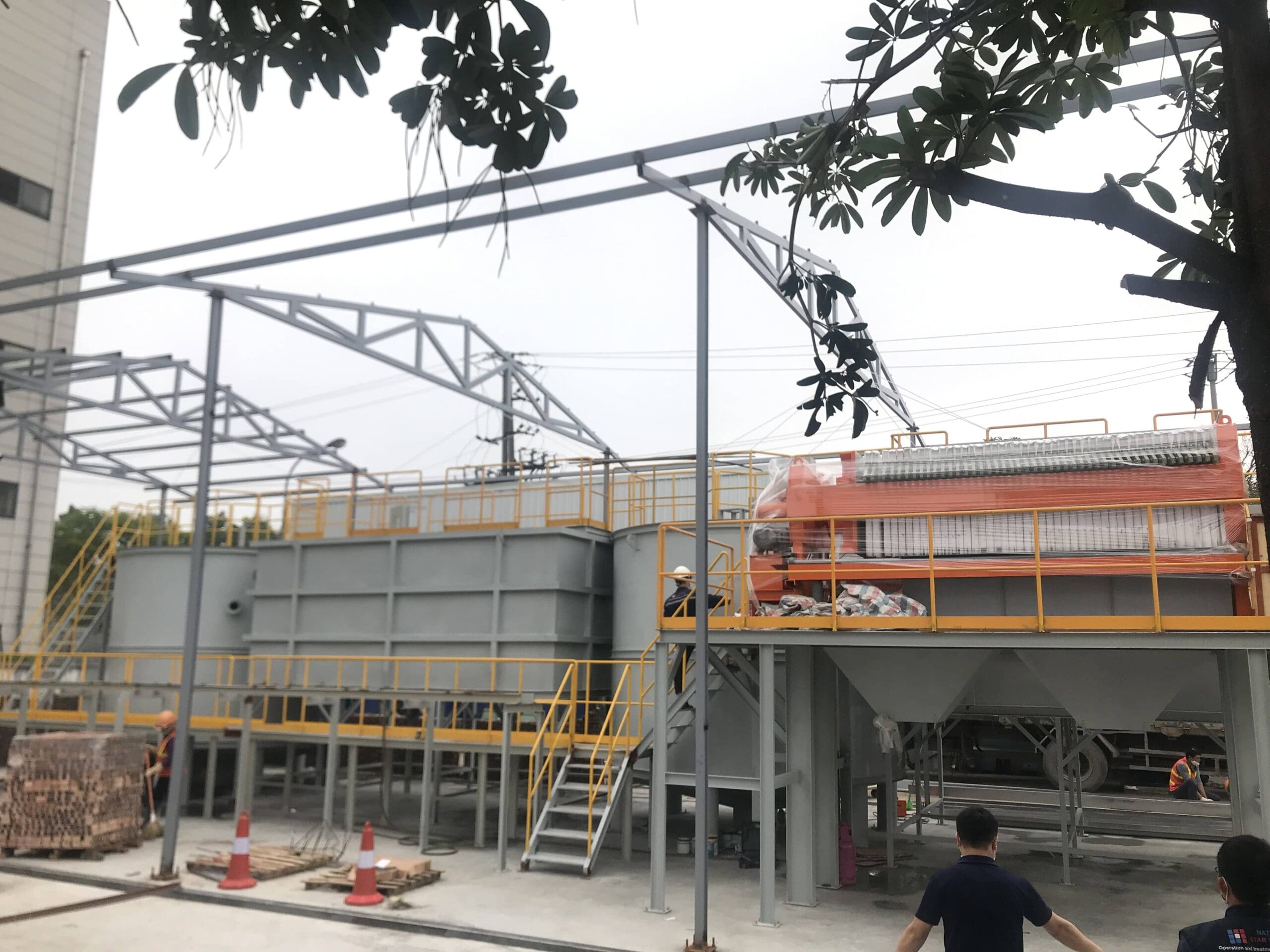
The importance of sewage treatment systems
Wastewater not only contains organic and inorganic pollutants but can also contain a variety of bacteria, viruses and heavy metals that harm human health and the environment. If not properly treated, this wastewater can pollute water sources, degrade the quality of groundwater and surface water, affect aquatic ecosystems and ultimately threaten water security for humans.
Modern methods of wastewater treatment
In the process of renovating wastewater treatment systems, engineers and scientists have developed many modern treatment methods, including:
- Bioremediation: Using bacteria to break down organic pollutants in wastewater.
- Chemical treatment: Uses chemical reactions to remove inorganic contaminants and heavy metals.
- Physical treatment: Uses technologies such as filtration, centrifugation and phase separation to remove suspended solids and grease.
- Membrane technology: Using advanced filtration membranes to remove pollutants and purify wastewater.
- Energy treatment: Use methods such as irradiation, ozone and electrochemical treatment to purify wastewater.
Benefits of improving the wastewater treatment system
The renovation of wastewater treatment systems brings many important benefits, including:
- Environment and water protection: Post-treatment wastewater will be safer when discharged into the environment, reducing pollution and protecting natural water sources.
- Water reuse: Wastewater after treatment can be reused for purposes such as irrigation, industry or even domestic water, contributing to reducing the pressure on freshwater resources.
- Reduce costs: Modern wastewater treatment systems are highly efficient and energy efficient, helping to reduce operating costs.
- Compliance with legal regulations: The improvement of wastewater treatment systems helps businesses and communities comply with environmental and wastewater treatment regulations.
- Community awareness: Through the improvement of wastewater treatment systems, communities will become aware of the importance of protecting the environment and water resources.

Challenges in the improvement of wastewater treatment systems
While there are many benefits, improving wastewater treatment systems also faces a number of challenges, including:
- High initial investment costs: Building or upgrading a modern wastewater treatment system requires large investment capital.
- Complicated operation and maintenance: Modern wastewater treatment systems require highly specialized human resources for operation and maintenance.
- Community Acceptance: Some communities may not support the construction of wastewater treatment facilities near their area of residence.
- Changes in policies and regulations: Environmental and wastewater treatment policies and regulations may change over time, requiring corresponding adjustments.
Successful wastewater treatment system renovation projects
There have been many successful wastewater treatment system renovation projects around the world, bringing huge benefits to the environment and communities. Some typical examples include:
Sewage treatment system renovation project in Seoul Metal: Plating wastewater treatment system
Improvement of wastewater treatment system at LS Electronic: Electronic wastewater treatment system
Waste water treatment system renovation project in Ottogi: Food waste water treatment system
The future of wastewater treatment technology
With the continuous development of science and technology, the future of wastewater treatment technology will go even further. Some emerging trends and technologies include:
- Nanotechnology: Application of nanotechnology in wastewater treatment, enabling the removal of contaminants at a molecular scale.
- Enzyme treatment: Uses specific enzymes to break down pollutants that are difficult to break down in wastewater.
- Solar treatment: The application of solar energy to provide energy for wastewater treatment processes, reducing costs and environmental impact.
- The circular economy model applies the principles of the circular economy, in which wastewater is seen as a resource that can be recycled and reused.
Natural Star wastewater treatment system renovation specialist
Improving wastewater treatment systems is an important step in efforts to protect the environment and ensure clean water for the future. With the development of technology and international cooperation, we can effectively treat wastewater sources and contribute to building a sustainable future for the country and the whole world.